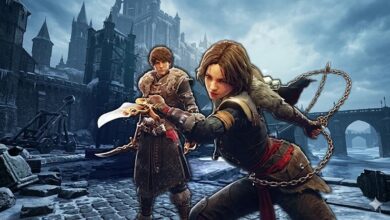
Inside the Development of Game of Thrones: Kingsroad – How Westeros Was Rebuilt for a New Generation
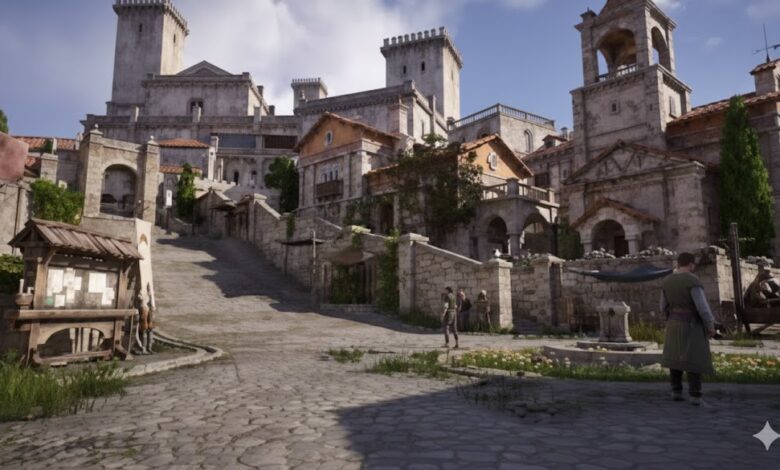
Bringing Westeros back to life is not just about swords, castles, and political drama.
It is about atmosphere.
It is about tension.
It is about making players feel small in a brutal world where power is everything.
When the developers began working on Game of Thrones: Kingsroad, they weren’t just building another fantasy RPG. They were attempting something much more ambitious — recreating the emotional weight of Game of Thrones in interactive form.
In this deep development breakdown, we’ll explore:
- How Westeros was designed for gameplay
- Combat system evolution
- Momentum progression design
- Monetization decisions
- Technical challenges
- Future roadmap possibilities
Let’s step behind the curtain.
1. Rebuilding Westeros: From Television to Interactive World
The first development challenge was obvious:
How do you turn a politically complex TV universe into an action-focused RPG?
Unlike many fantasy games, the world of Game of Thrones is not built around magic explosions and mythical creatures alone. It thrives on grounded realism, harsh survival, and moral ambiguity.
The development team focused on three pillars:
- Atmosphere over spectacle
- Survival over hero fantasy
- Political tone over cartoonish adventure
This is why Kingsroad’s world feels gritty rather than flashy.
Muted color palettes, grounded armor designs, and harsh environmental tones were deliberate artistic decisions.
The goal was not to make players feel like superheroes.
The goal was to make them feel like survivors.
2. Why an Action RPG Instead of a Strategy Game?
Many fans expected a grand strategy game similar to medieval kingdom simulators.
But the developers chose an action RPG format.
Why?
Because modern audiences respond strongly to:
- Direct control
- Skill-based combat
- Character progression systems
- Immediate engagement
An action RPG allows players to feel personally involved in the world’s violence and tension.
Instead of commanding armies from a distance, you step into the mud yourself.
This design choice makes Kingsroad more intimate — and more intense.
3. Combat System Development: Balancing Skill and Accessibility
Combat is the core of Kingsroad.
During development, designers faced a critical question:
Should combat be simple and mobile-friendly, or deep and skill-based?
They chose a hybrid approach.
Early Prototypes
Early builds reportedly had:
- Slower attack animations
- Less emphasis on dodging
- More auto-target assistance
However, playtesting showed that players wanted more control and higher skill expression.
So the team improved:
- Dodge responsiveness
- Skill combo chains
- Boss telegraph animations
This created a system that feels reactive without being overly complex.
4. The Momentum System – A Smart Progression Gate
One of the most debated development decisions is the Momentum system.
Instead of letting players rush the story freely, progression is gated through activity-based growth.
From a development perspective, this serves several purposes:
- Encourages exploration
- Prevents content burnout
- Balances player retention
- Supports long-term engagement
It ensures players interact with:
- Side quests
- Town development
- Crafting systems
- Daily activities
Without Momentum, many players would finish story content too quickly.
This system stretches engagement while maintaining structure.
5. Town Development: Adding Strategy Layers
Kingsroad is not only about combat.
The development team wanted players to feel responsible for rebuilding and strengthening their domain.
Town systems introduce:
- Resource management
- Upgrade prioritization
- Long-term planning
This blends RPG combat with light strategic elements.
It also increases emotional attachment.
When you upgrade your forge or unlock new crafting tiers, it feels personal.
That emotional investment was intentional.
6. Monetization Design – Walking a Thin Line
Every modern live-service game faces the same challenge:
How do you generate revenue without destroying balance?
Kingsroad introduces:
- Cosmetic purchases
- Resource boosters
- Progress accelerators
From a development perspective, the goal appears to be:
Speed convenience, not lock power.
Free-to-play players can progress — but patience is required.
This model supports:
- Long-term players
- Casual spenders
- Hardcore grinders
However, monetization balance is always evolving. Developers often tweak drop rates and reward scaling based on player data.
7. Technical Challenges of Building Westeros
Recreating a believable Westeros comes with heavy technical demands.
Environment Detail
Regions must feel:
- Distinct
- Lived-in
- Weathered
- Harsh
Dynamic lighting and environmental sound design were critical components.
Footsteps in snow.
Wind across ruins.
Metal clashing in narrow corridors.
These small touches increase immersion significantly.
Performance Optimization
Because the game must run smoothly across different hardware, developers had to:
- Optimize texture loading
- Reduce unnecessary background processes
- Balance visual quality with performance
Maintaining smooth combat while preserving atmosphere is a delicate balance.
8. Player Retention Design – The Live-Service Model
Kingsroad is designed as a long-term experience.
This means developers constantly monitor:
- Daily active users
- Session duration
- Drop-off points
- Upgrade bottlenecks
Events, daily missions, and alliance features are not random additions.
They are retention tools.
Live-service games survive on engagement loops.
If players log in daily, the game thrives.
9. Community Feedback and Ongoing Updates
No live game remains static.
Development teams often analyze:
- Reddit discussions
- Discord communities
- In-game behavior analytics
- Completion rates
If bosses are too difficult, they adjust damage.
If progression is too slow, they adjust rewards.
Development does not end at launch.
It evolves with the community.
10. Comparing Kingsroad to Other Fantasy RPGs
Unlike high-magic RPGs with flashy spell effects, Kingsroad focuses on grounded realism.
There are no world-breaking superpowers.
Combat feels heavy.
Armor feels realistic.
The tone remains serious.
This design respects the identity of Game of Thrones.
Too much fantasy would break immersion.
Too little action would reduce engagement.
The development team balanced these carefully.
11. Art Direction – Why the World Feels Cold
One of the most striking elements of Kingsroad is its cold color grading.
Blues, greys, muted greens.
This mirrors the harsh tone of Westeros.
Warm fantasy colors would feel wrong in this universe.
The world must feel:
- Dangerous
- Unforgiving
- Politically unstable
The art direction reinforces that constantly.
12. What Could the Future Hold?
Based on current design patterns, possible future updates may include:
- New regions of Westeros
- Additional playable classes
- Expanded alliance warfare
- Seasonal world events
- Advanced boss mechanics
Live-service RPGs grow through expansion.
If player retention remains strong, development will likely accelerate content updates.
13. The Real Achievement of Kingsroad
The biggest success of Kingsroad’s development is this:
It captures the tension of Westeros without copying the show directly.
Instead of retelling the exact events of Game of Thrones, it creates a parallel interactive experience.
You are not watching power struggles.
You are surviving them.
That shift from passive viewer to active participant is the true design victory.